Facility Tour
A walk through the plant
We would rather you came and saw the floor. Until then, this is the same walk we take customers on when they visit Chico — in the same order, past the same things we would stop and point at.
The walk
Nine stops, in the order we take them. Quality comes first — not because it makes a better brochure, but because it is the part of the operation a buyer should judge us on.
Quality assurance
The first stop, deliberately.
Quality is where the tour starts because it is where a program lives or dies. You will meet the QA staff, see the calibration program for inspection tools, and see how in-process inspection is scheduled through a run rather than left to the end.
- Calibration on every gage and instrument, on a schedule
- Periodic in-process inspection through the run, not just first and last
- Full traceability from raw material through finished part
- The NCR cage — non-conforming material is physically segregated, not just flagged in a system
Sample library
Where the receipts are kept.
Retained samples are tracked not only part-to-part but lot-to-lot. That means when a question comes up two years into a program, we can pull the physical part from the lot in question and compare — history, consistency, and traceability in a form you can hold.
- Samples retained and indexed by lot, not just by part number
- Lets a dimensional question be settled against real parts from the real lot
Warehouse and shipping
Finished goods on the left, raw material on the right.
The Wrex label system carries traceability through storage and out the door. Medical materials and medical finished goods are bagged and covered to keep them free of dust while they wait.
- Wrex label system for traceability into and out of storage
- Medical material and finished product bagged and covered against dust
Maintenance department
In-house, which is the point.
Machine maintenance is done here rather than waiting on an outside service call. That is the difference between a press coming back up the same day and a program losing a week.
- In-house maintenance keeps production and turnaround times under our own control
Injection molding
Small presses first, then the large ones.
You will see material drying and blending, the presses running, and a part completing its cycle — shot, cooling, ejection, sprue and runner separation, and packing. If there are inserts in the job, you will see them loaded.
- Drying and blending, and why both carry a small handling cost
- Clamp tonnage and how it limits which parts run on which press
- A full cycle end to end, including ejection and packing
Mold library and tool shop
Where the company started, in 1960.
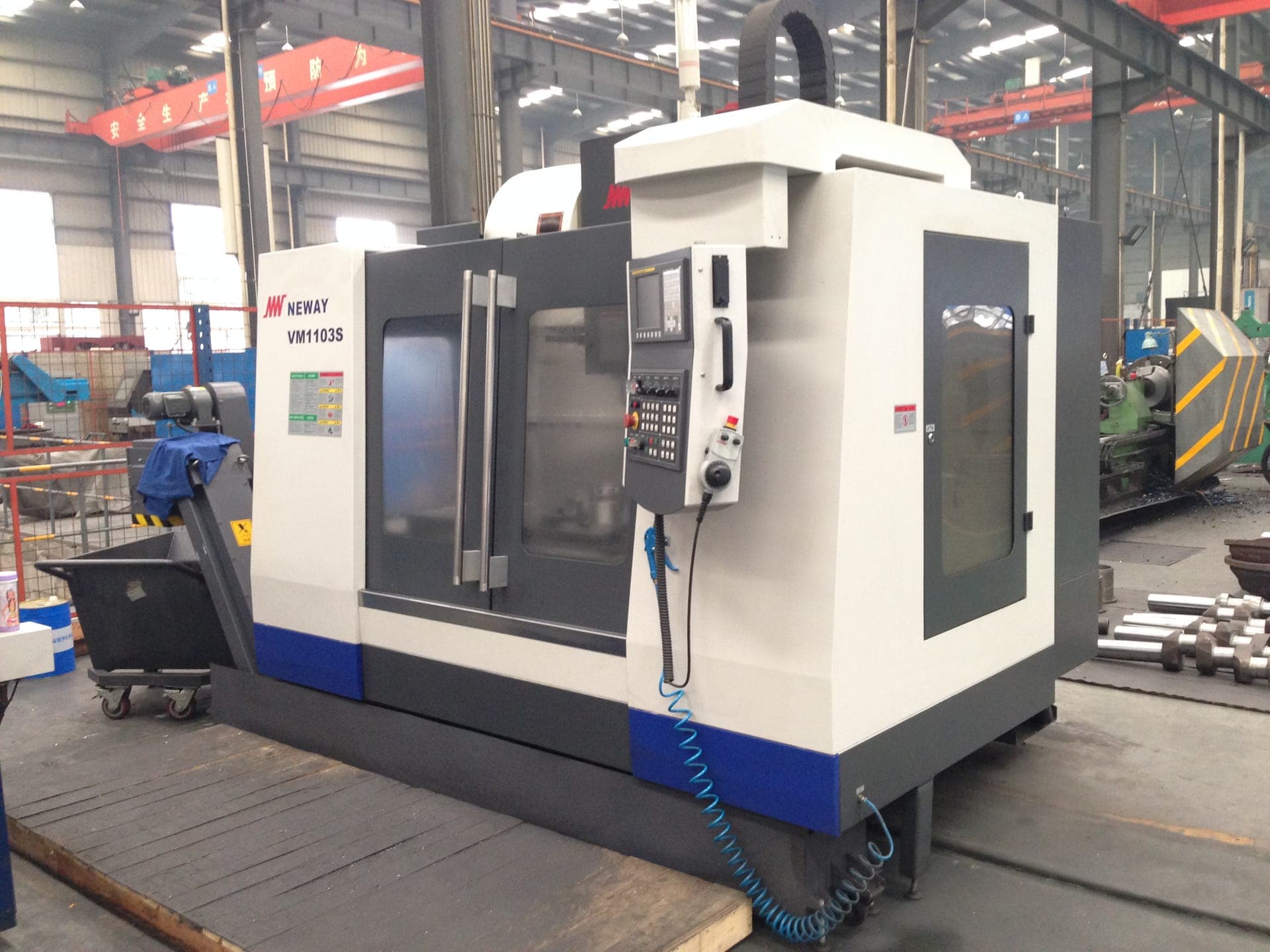
Wrex began as a tool shop, and the tool room is still here. You will see the mold library, the Tooling Work Request system that tracks every change to a tool, and the CNC and mold-making equipment. Customer tooling is a customer asset and is maintained as such — the system is deliberately transparent so you can see the history of your own tool.
- Making tools here since 1960
- Tooling Work Request form — every tool change is documented
- Customer tools maintained on the customer's behalf, with visible history
- Why a steel mold outlasts an aluminum or bargain outside tool
Die casting
Furnace, automation, and a full cycle.
You will see the die cast materials, a machine running, and the automation around the furnace and ladle. The cycle — shot, cleaning and prepping, ejection — is easier to understand watching it than reading about it.
- Cold chamber casting in aluminum and zinc alloys
- Furnace and ladle automation
Finishing
Trim through to a part ready for coating.
Gate and trim removal, plastic media deburring, ball burnishing, DA sanding, and the machining operations — milling, tapping, reaming — that finish a casting. You will also see the bath and filtration system and how it meets California's environmental requirements.
- Trimming and gate removal
- Plastic media deburring and ball burnishing
- DA sanding, milling, tapping, reaming
- Bath and filtration system meeting California requirements
Powder coating
The most technical stop on the tour.
Pre-treatment tanks first — cleaning and etching so the powder has something to key into — then masking, taping and plugging, then spray and cure. Custom PPE is prepared for the staff who run it. Outside powder coating work is welcome, though pre-treatment is reserved for parts made here so the tanks stay uncontaminated.
- Pre-treatment: cleaning, etching, conversion coating
- Masking, taping, and plugging for exclusion zones
- Three booths with powder reclaim, two curing ovens
- Final inspection and packaging before shipment
About the place
The street is named after the company
Our production plant is on Wrex Ct. in Chico. The company has been here long enough that the street carries its name — a reasonable proxy for how long we intend to keep being here.
A family company, and it shows
There is a rose garden on the property. It is not a manufacturing capability and we make no claim that it improves your parts, but it is the kind of detail that tells you what sort of place this is.
One roof
Tooling, molding, casting, machining, finishing, coating, assembly, inspection, and shipping all happen on the same site. The tour is one walk, not a driving route between vendors — which is the entire argument for single-source manufacturing, made physically.
Visiting in person
Tours start at our production plant, 25 Wrex Ct, Chico, CA 95928. Let us know your ETA so someone is expecting you. Get in touch and we will arrange it.
If you are evaluating us as a supplier, come and see the floor. It is a far better basis for a decision than a capability list — including this one.
Ready to talk about your project?
Send your drawings or describe your part — an engineer will follow up, not a sales queue.