
Industry
Robotics & Automation Component Manufacturing
Robotics parts have to hold their geometry while something moves. A bracket that measures perfectly at rest but flexes under acceleration has failed, and so has a housing that holds alignment at 20°C but not after an eight-hour duty cycle. The engineering question is usually stiffness and dimensional stability rather than raw strength.
Materials & processes we use most
- Aluminum die casting for structural housings and brackets where stiffness-to-weight matters
- Injection molding in glass-filled engineering resins (up to roughly 30–35% fill) for rigid, dimensionally stable components
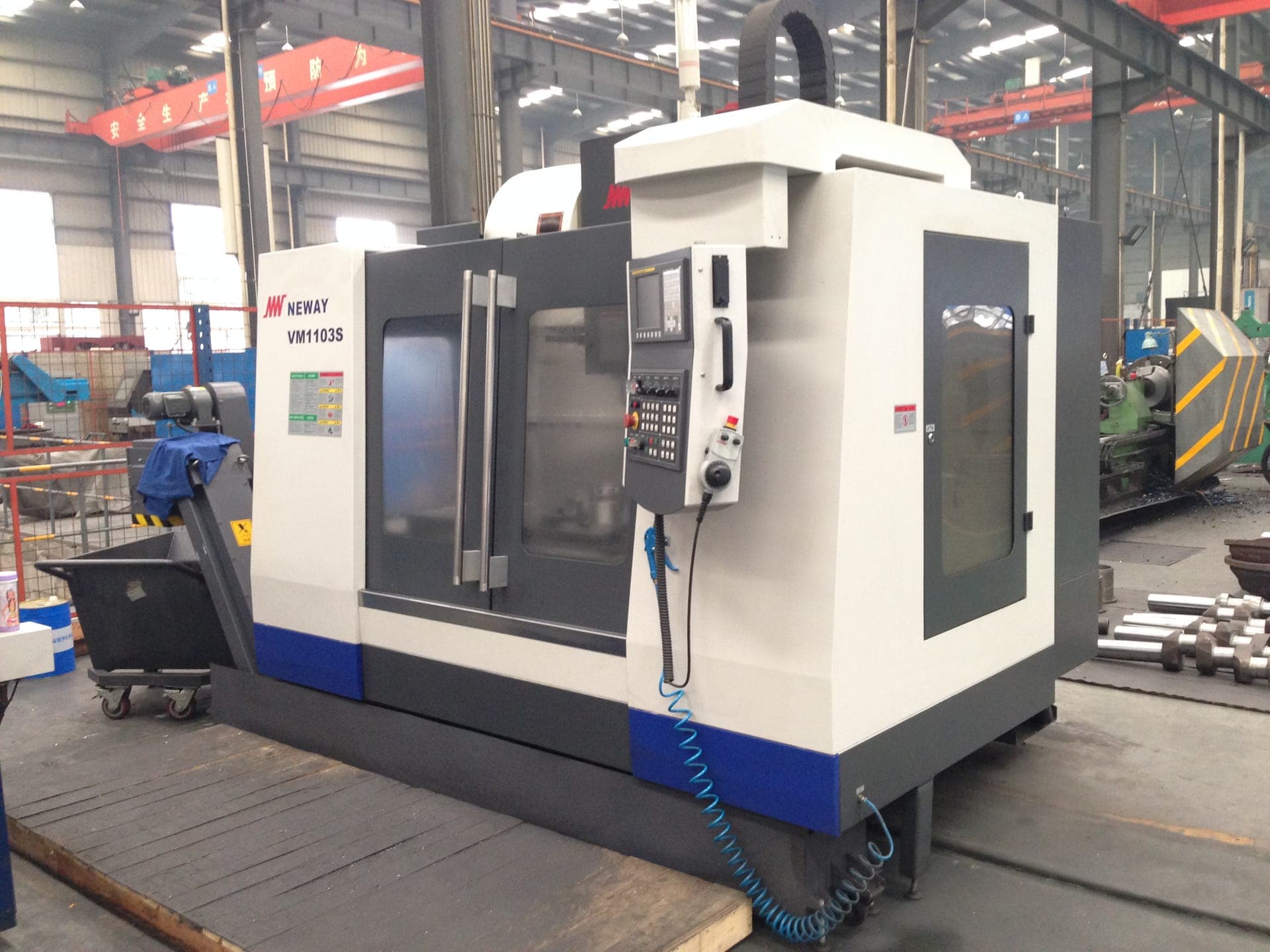
- CNC machining of mounting faces, bearing bores, and datum features to tolerances that casting and molding cannot hold
- Insert molding for threaded inserts and metal features in molded structural parts
- Powder coating for durability and appearance on exposed equipment surfaces
- Mechanical and ESD-controlled assembly where the build includes electronics
Quality considerations
- Dimensional stability across the operating temperature range, not only at inspection temperature
- Flatness and positional tolerance on mounting and bearing interfaces — usually machined rather than as-molded or as-cast
- Consistency across production, since robotics assemblies stack tolerances across several components
- Material stiffness and creep behavior under sustained load, which is a resin selection question the customer owns
Manufacturing challenges we help solve
- Deciding which features genuinely need machined tolerance and which can run as-molded or as-cast — over-tolerancing is the most common and most expensive habit we see on robotics prints
- Balancing wall thickness for stiffness against the cycle time and porosity consequences of adding bulk
- Designing molded structural parts so glass fill does not introduce warp that defeats the stiffness it was added for
- Tolerance stack-up across multi-part assemblies, worth modelling before tooling rather than discovering at first article
Documentation
- First-article inspection reports against the customer print
- Dimensional inspection records for critical mounting and datum features
- Material certifications on request
- Lot traceability where the program requires it
Frequently asked questions
Can you hold the tolerances a robotics assembly needs?
On machined features, yes — mounting faces, bearing bores, and datums are cut on our own VMCs to print. As-molded and as-cast tolerances are wider, which is why the useful conversation at DFM review is which features truly need machining rather than defaulting every dimension to a tight callout.
Should a structural part be molded or die cast?
It depends on load, stiffness, weight, and volume. Aluminum die casting gives you stiffness and a part you can machine precise interfaces into; a glass-filled engineering resin gives you weight and corrosion advantages but behaves differently under sustained load. We run both, so bring it to DFM review and we will lay out the tradeoff rather than steer you toward whichever process we would rather sell.
Do you assemble electronics into the housings?
Yes, including ESD-controlled assembly. Tell us at RFQ if the build needs ESD control, and identify any ground or bonding contacts that must stay bare — powder coat is an insulator, and a coated ground contact is a failed assembly.
Ready to talk about your project?
Send your drawings or describe your part — an engineer will follow up, not a sales queue.