Injection Mold Tool Transfer, Repair & Modification
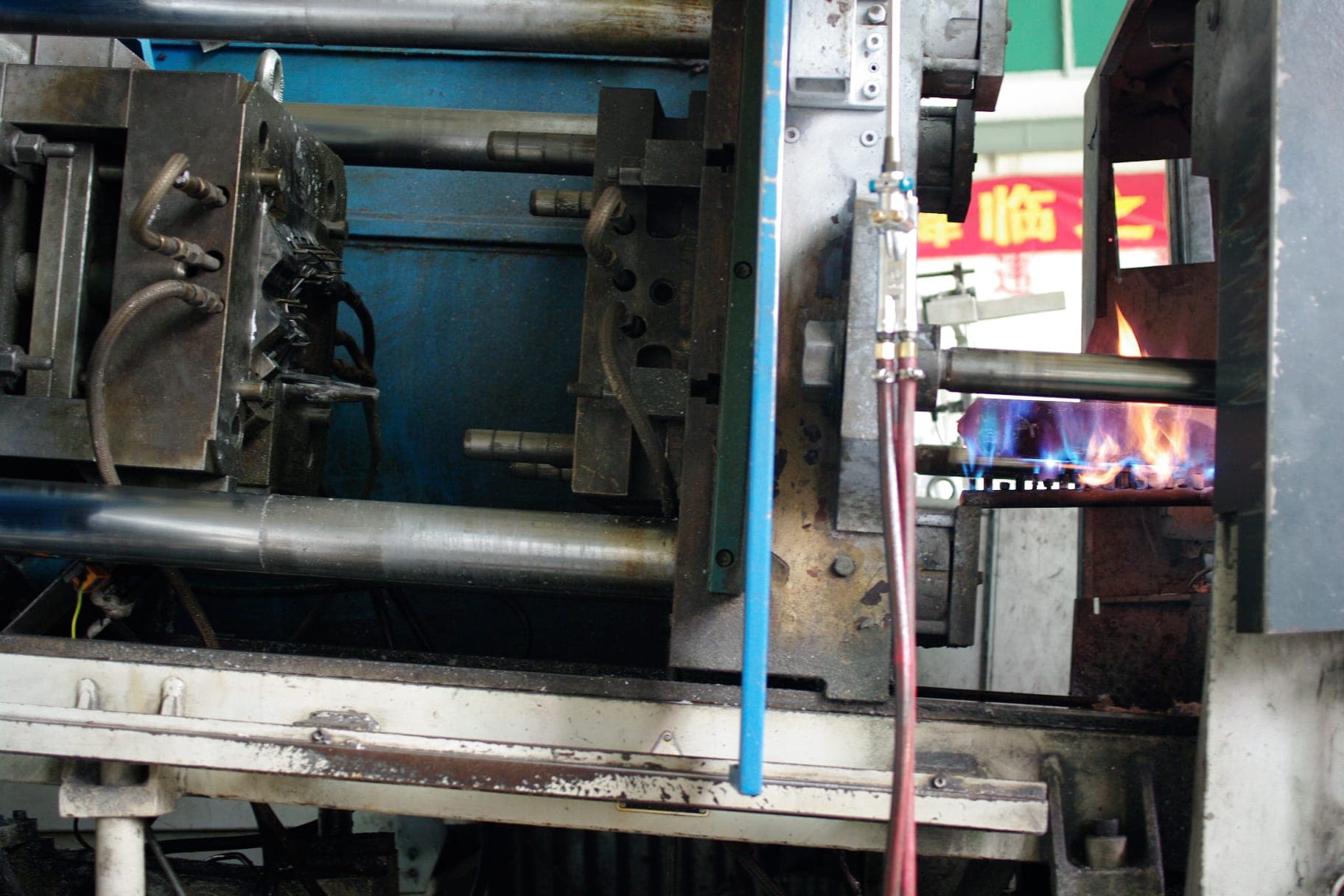
Moving a tool between suppliers, or bringing an aging tool back into spec, carries real risk if it isn't validated properly. We inspect incoming tools before running them in production, and repair or modify tools in-house using EDM, wire EDM, and conventional toolroom work.
Typical applications
- Tool transfer from an overseas or domestic supplier you're moving away from
- Repair of worn or damaged mold components (cores, cavities, ejection systems)
- Engineering changes to an existing tool (dimensional changes, added features)
- Rescue of tooling that is no longer producing acceptable parts
Process overview
- 1
Incoming tool inspection
Cavity/core condition, cooling lines, ejection system, and wear points are inspected and documented before any production run.
- 2
Trial shots & first-article comparison
Sample parts are measured against the customer print, not just against parts from the prior supplier.
- 3
Repair / modification plan
Any wear, damage, or requested engineering change is scoped and quoted before work begins.
- 4
Production validation
The tool is released to production only after first articles are approved on Wrex equipment.
Part design considerations
- Cooling line condition and location — a common source of hidden problems on transferred tools
- Wear on ejector pins, slides, and lifters that may not show up until a longer production run
- Whether the incoming tool documentation (steel type, cavitation, maintenance history) is complete or needs to be reconstructed
DFM guidance
- Request full documentation (tool steel, maintenance history, prior FAI reports) from the outgoing supplier before transfer — gaps here slow qualification
- Budget time for trial shots on Wrex equipment even if the tool ran successfully elsewhere — press, material lot, and environment differences can shift results
Quality controls
- Incoming tool inspection report
- First-article inspection on Wrex equipment before production release
- Documented repair/modification history maintained going forward
Secondary operations available
- EDM and wire EDM for detail rework
- Mold polishing and texture repair
- Preventive maintenance scheduling
Frequently asked questions
How long does a tool transfer take?
It depends on tool condition and documentation completeness; expect incoming inspection and trial shots before we commit to a production date.
Can you repair a tool that's producing bad parts elsewhere?
Yes — send the tool (or have it shipped to us) for inspection; we'll scope repair or modification before quoting.
Ready to talk about your project?
Send your drawings or describe your part — an engineer will follow up, not a sales queue.