Industry
Agricultural & Irrigation Component Manufacturing
Wrex sits in the Sacramento Valley, surrounded by the orchards and row crops our parts end up in. Agricultural components live outdoors under UV, water, dust, temperature swings, and rough handling — and they have to hit an agricultural price point while doing it. That combination is the whole design problem.
Materials & processes we use most
- Injection molding in UV-stable and impact-resistant resins for parts that live outdoors season after season
- Aluminum and zinc die casting for valve bodies, brackets, and load-bearing hardware
- Powder coating with conversion coating pre-treatment for corrosion resistance in wet and chemically active environments
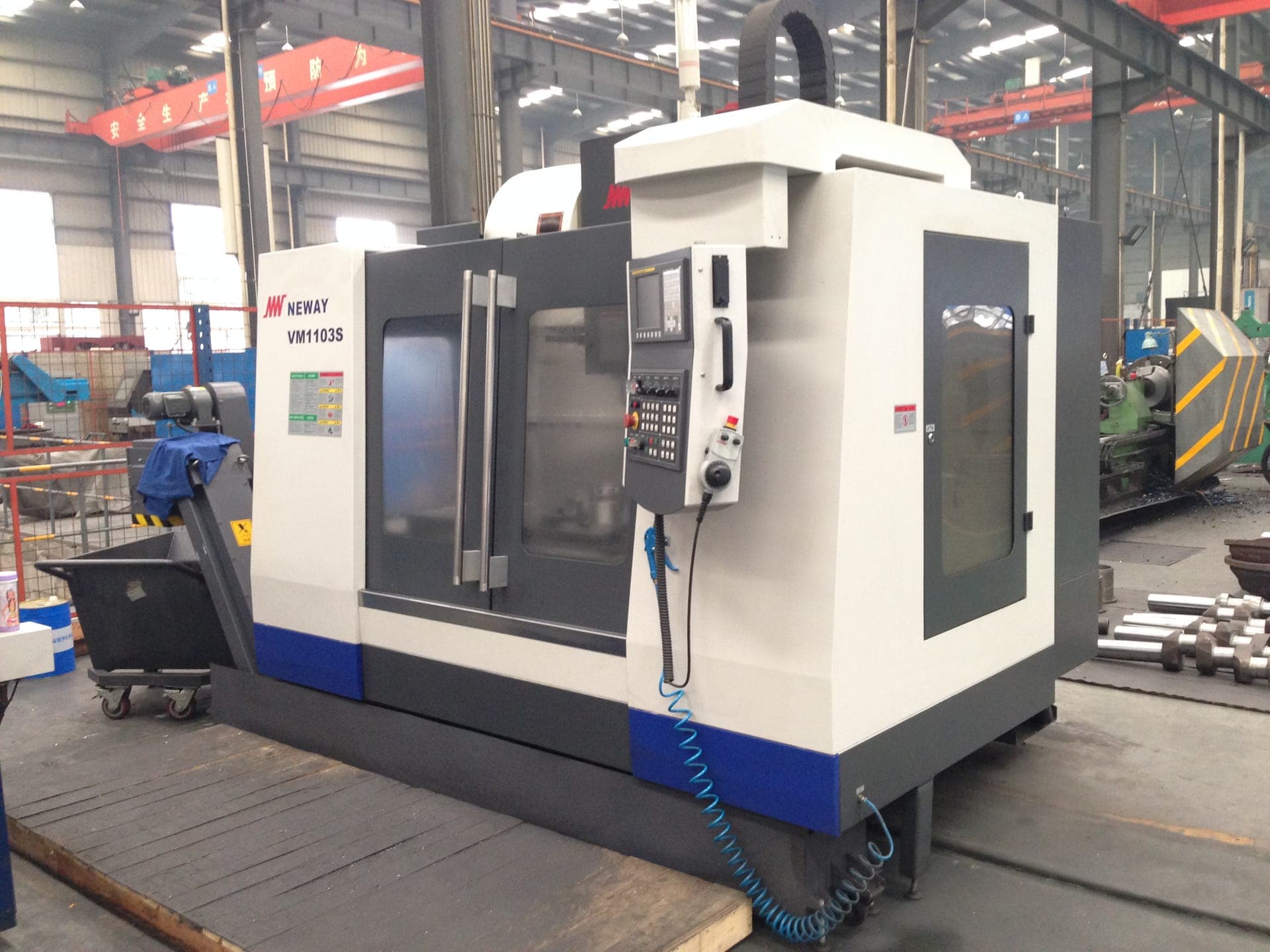
- Secondary machining for sealing faces, threaded ports, and mating surfaces on cast valve bodies
- Assembly of multi-component units, including seals and fasteners
Quality considerations
- UV and weathering resistance — a part that looks right at shipment and chalks or embrittles after two seasons has failed
- Sealing surfaces on irrigation components, where a machined face on an as-cast body is usually the right split
- Dimensional consistency across high-cavitation tooling, since agricultural parts ship in volume
- Corrosion resistance where parts contact water, fertilizer, or soil chemistry
Manufacturing challenges we help solve
- Hitting an agricultural unit cost while meeting a genuinely demanding outdoor-service requirement
- Choosing between a molded part and a die cast one — often the real question on valve and bracket components, and one worth settling at DFM rather than after tooling
- Seasonal demand: agricultural buying is compressed into narrow windows, so tooling and material lead time need planning well ahead of the season
- Balancing wall thickness for strength against the cycle time that drives cost at agricultural volumes
Documentation
- First-article inspection reports
- Material certifications on request
- Lot traceability where the program requires it
Frequently asked questions
Should an irrigation valve body be molded or die cast?
It depends on pressure, sealing requirements, and volume. Die casting gives you strength and a body you can machine sealing faces and threaded ports into; injection molding gives you corrosion immunity and a lower unit cost. We run both, so the recommendation is not driven by which process we happen to own — bring it to DFM review and we will lay out the tradeoff.
Can you handle seasonal volume?
Yes, but tell us the season early. Agricultural demand arrives in a compressed window, and material lead times and tool capacity both need planning ahead of it. There is no minimum order quantity, so building inventory ahead of the season is a real option worth discussing.
What about UV and weathering?
You specify the resin, including any UV package — we do not select materials in-house. What we will do is tell you how your chosen material runs, and flag design features that will not survive outdoor service regardless of resin. For powder coated metal parts, our conversion coating pre-treatment is what makes the coating hold up rather than just look right on day one.
Ready to talk about your project?
Send your drawings or describe your part — an engineer will follow up, not a sales queue.